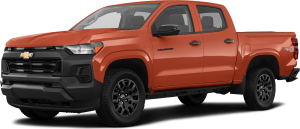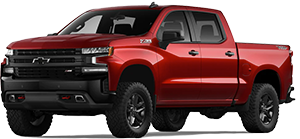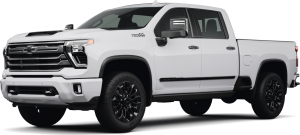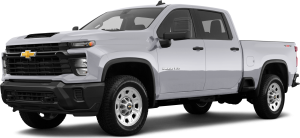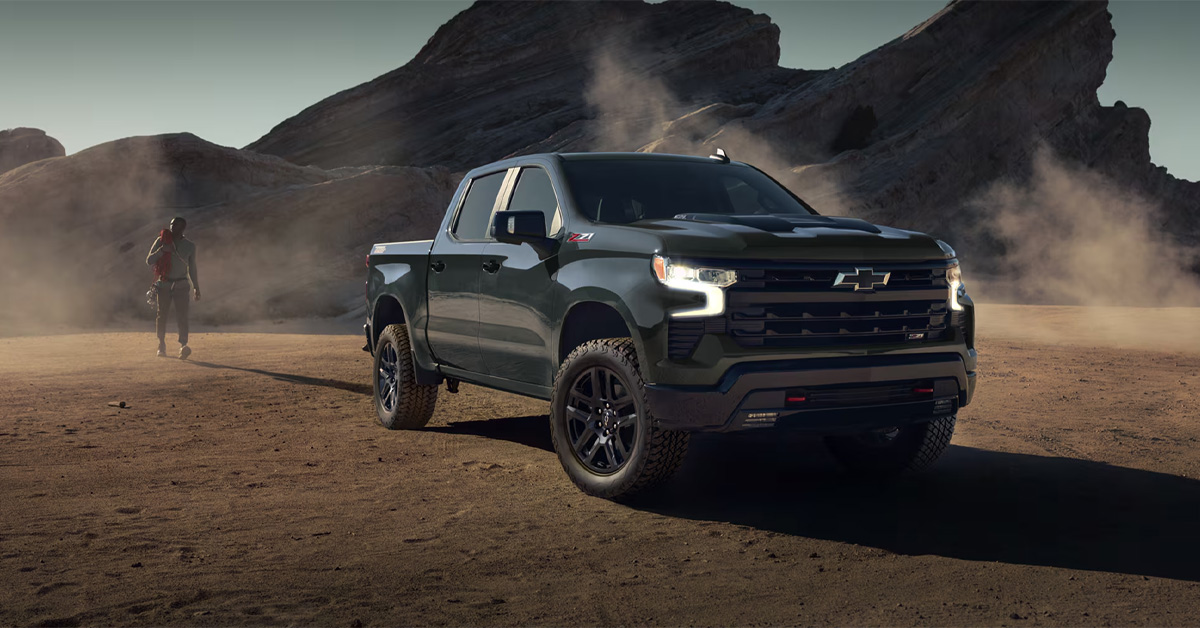
Mileage is one of the first things shoppers notice when comparing used Chevrolet trucks, but the odometer doesn't tell the whole story. A well-maintained Silverado with higher mileage may be a better purchase than a lower-mileage truck that has experienced neglect, heavy towing, or inconsistent servicing. The key is to understand how the truck was used, what maintenance it received, and what its current condition reveals. Whether you're considering a used Silverado 1500 for everyday driving or a Silverado 2500 HD for demanding work.
At Tom Bell Chevrolet in Redlands, we help drivers from San Bernardino, Yucaipa, and Banning find dependable used trucks, with sales, service, and parts support all in one place. Whether you're buying a high mileage Chevy Silverado or a newer pickup with fewer miles, our team can help you compare your options. Contact our team or visit our dealership to discuss used truck choices and the factors worth evaluating before you buy.
How Many Miles Is Too Many for a Used Chevy Truck?
There is no single mileage limit that automatically makes a used Chevrolet truck a poor purchase. A truck with 100,000 miles is not necessarily in better condition than one with 150,000 miles, and a vehicle approaching 200,000 miles is not automatically beyond its useful life. Mileage matters because many components experience wear as a vehicle accumulates distance.
However, wear also depends on how the truck was driven, loaded, maintained, and stored. A pickup that spent most of its life traveling on highways and received regular maintenance may have experienced different stresses from a truck used for frequent heavy towing, short trips, dusty jobsite driving, or prolonged idling.
When evaluating a used Chevy truck, consider mileage alongside:
- Maintenance and repair history.
- Engine and transmission condition.
- Evidence of heavy towing or commercial use.
- Rust, corrosion, and body damage.
- Suspension, steering, and brake condition.
- Tire wear and alignment.
- Warning lights and diagnostic results.
- Overall interior and exterior condition.
These factors help establish whether the vehicle's mileage is consistent with its condition and documented service history.
Understanding Used Chevrolet Truck Mileage Limits
Mileage can help you organize your search, but it should not serve as the only buying rule. The following ranges are general screening guidelines, not official Chevrolet durability limits or guarantees.
Below 60,000 Miles
A used Chevrolet truck with fewer than 60,000 miles may appeal to buyers who want a relatively low-mileage vehicle. Depending on age and condition, it may have less accumulated wear than a comparable truck with substantially higher mileage.
However, low mileage does not guarantee excellent condition. A truck that has sat unused for extended periods may have aging tires, deteriorated fluids, battery issues, or other time-related concerns. Review its service history and inspect the vehicle carefully, regardless of mileage.
Between 60,000 and 100,000 Miles
This range can offer a useful balance between vehicle age, accumulated wear, and purchase price, depending on the model and market. At this mileage, ask whether routine maintenance was performed consistently and whether the truck has received the inspections and replacement services required for its age and powertrain.
Pay attention to tire condition, brake wear, suspension components, leaks, and the operation of major systems. For trucks used to tow, ask about the frequency and type of towing. A vehicle's records can help distinguish ordinary wear from signs of neglect.
Between 100,000 and 150,000 Miles
A used Chevrolet truck in this range deserves a closer review, but it may still be a reasonable purchase if its condition and service history support the price. Ask for maintenance records, review available repair invoices, and arrange a professional inspection. The inspector should assess the engine, transmission, cooling system, drivetrain, steering, suspension, brakes, and other relevant components.
If the truck was used for commercial work, look for evidence of demanding operation. That doesn't automatically make it a poor choice, but it increases the importance of understanding its maintenance history and current condition.
Above 150,000 Miles
Higher-mileage trucks require particularly careful evaluation. Wear-related repairs may become more likely as components age and accumulate use, but actual condition varies considerably. A truck with more than 150,000 miles may still suit a buyer who needs an affordable vehicle for specific tasks.
However, the purchase price should reflect its condition, expected maintenance, and potential repair needs. Before buying, consider whether you have the budget to address unexpected repairs and whether the vehicle's overall condition justifies the investment.
Approaching or Exceeding 200,000 Miles
A well-maintained Chevrolet truck can potentially reach 200,000 miles or more, but no mileage figure guarantees continued reliability. Vehicle life depends on maintenance, operating conditions, repairs, and the condition of major components.
For a high-mileage truck, focus on evidence rather than assumptions. Service records, inspection findings, fluid condition, diagnostic results, and a road test can help you understand the vehicle's current state.
A truck with extensive documented maintenance may be more appealing than one with fewer miles and little service information. Nevertheless, even a well-maintained vehicle may need age- or wear-related repairs.
Used Silverado 1500 High Mileage: What Should You Know?
The Chevrolet Silverado 1500 is a light-duty pickup available with different engines, drivetrains, cab styles, and equipment. Its suitability as a high-mileage purchase depends on the specific model year and powertrain, as well as its service and usage history.
A Silverado 1500 used mainly for commuting may have a different wear pattern from one that regularly towed heavy trailers or carried large loads.
Engine Condition
Listen for unusual knocking, rattling, persistent ticking, or other noises that may indicate a problem. Look for visible fluid leaks and check whether the engine starts, idles, and accelerates smoothly.
An inspection should also consider warning lights, diagnostic trouble codes, exhaust behavior, cooling-system performance, and evidence of previous repairs.
Do not assume an engine is healthy simply because it starts during a brief visit. Some problems appear only when the vehicle reaches operating temperature or under specific driving conditions.
Transmission Operation
The transmission is another important inspection point, particularly on a truck that has towed regularly. During a road test, note whether gear changes feel consistent and whether there are unusual noises, slipping, delayed engagement, or harsh shifts.
A professional inspection may identify issues that are difficult for an ordinary buyer to diagnose. Ask whether transmission service was performed according to the applicable maintenance schedule and whether the vehicle has any documented transmission repairs.
Suspension, Steering, and Brakes
Trucks often carry cargo and travel over uneven roads, which can place stress on suspension and steering components. Look for uneven tire wear, steering looseness, clunks over bumps, vibration, or pulling to one side.
Brakes should operate smoothly without unusual noise or vibration. These issues may be repairable, but their likely cost should be considered before agreeing to a purchase.
Used Silverado 2500 HD High Mileage: Additional Considerations
The Silverado 2500 HD is designed for heavier-duty applications than the Silverado 1500. When buying a used Silverado 2500 HD, it is especially important to understand how the truck was used.
A truck that regularly towed heavy trailers or carried substantial payloads may have experienced different stresses from one used primarily for light personal driving.
Ask About Towing History
Find out whether the truck was regularly used for conventional towing, fifth-wheel towing, or gooseneck applications. Ask about the typical trailer weight and whether the truck was operated within its ratings.
Heavy towing does not automatically mean the truck is in poor condition. Properly maintained trucks are built to perform their intended tasks. However, towing history can help you understand the demands placed on the powertrain, brakes, suspension, and cooling systems.
Inspect the Drivetrain and Cooling System
The engine and transmission must manage substantial loads during heavy-duty use. The cooling system also plays an important role in maintaining appropriate operating temperatures.
Have an inspector look for leaks, damaged hoses, signs of overheating, unusual drivetrain noises, and evidence of poor-quality repairs. If the truck has a diesel engine, ensure the inspection addresses the specific powertrain and emissions-related systems. Diesel maintenance requirements differ from those of a gas engine.
Evaluate the Truck's Working Equipment
A work truck may have accessories or modifications that affect its value and condition. Examples include aftermarket suspension components, auxiliary lighting, toolboxes, towing equipment, and electrical accessories.
Ask whether modifications were installed professionally and whether they are suitable for the truck. Check that any added equipment does not compromise safety or exceed applicable vehicle ratings.
What to Check When Buying a High-Mileage Chevy Truck
A thorough inspection can help you identify concerns that mileage alone cannot reveal.
1. Review the Vehicle History
Request available service records and vehicle history information. Look for consistent maintenance, documented repairs, ownership changes, accident records, and other details relevant to the truck's condition.
History reports can be useful, but they may not contain every repair or incident. Treat them as one part of your evaluation rather than a complete record of the vehicle's life.
2. Check for Fluid Leaks
Inspect the area beneath the truck and look for signs of leaks around the engine, transmission, differentials, and other relevant components. Fluid color and location may provide clues, but diagnosis should be left to a qualified technician.
A leak that appears minor may indicate a more significant issue, depending on its source.
3. Inspect Tires and Wheels
Tires can reveal information about maintenance and alignment. Uneven wear may suggest alignment problems, suspension wear, improper inflation, or other issues.
Check the tire age, tread depth, sidewalls, and whether all tires are appropriate for the vehicle. Inspect the wheels for visible damage.
4. Examine the Frame and Undercarriage
Look for corrosion, damage, poorly repaired areas, and signs of severe off-road use. Rust can be particularly important on trucks that have operated in environments where road salt or moisture is common.
Surface discoloration is not the same as structural corrosion, so have a professional evaluate questionable areas.
5. Test the Electrical and Technology Systems
Check the dashboard, infotainment system, lighting, windows, locks, climate controls, cameras, and other equipment. An electronic issue may be minor, but it can also indicate a wiring problem or a fault in a more complex system.
Verify that warning lights illuminate during startup as expected and then turn off when appropriate.
6. Arrange a Professional Inspection
An independent pre-purchase inspection can help identify problems that are not obvious during a walk-around. Ask the technician to evaluate the vehicle based on its model year, powertrain, mileage, and intended use.
If you plan to tow, tell the inspector. If you're considering a diesel truck, ask for an inspection that accounts for diesel-specific systems.
7. Take a Careful Test Drive
Drive the truck under safe and appropriate conditions. Check cold starting when possible, acceleration, braking, steering, gear changes, road noise, and ride quality.
Pay attention to vibration, hesitation, warning messages, and unusual smells or sounds. A test drive should complement, not replace, a professional inspection.
Is a High-Mileage Chevy Truck Worth Buying?
A high-mileage Chevrolet truck can be worth considering when its condition, price, and maintenance history align with your needs. It may be particularly appealing to shoppers who need a work vehicle and want to avoid the higher purchase price of a newer, lower-mileage truck.
However, the lowest advertised price is not always the most economical choice. A truck that requires substantial repairs shortly after purchase may cost more over time than a better-maintained vehicle with a higher initial price.
Compare the purchase price with the likely cost of immediate maintenance and foreseeable repairs. Consider how long you intend to keep the truck and how important reliability is to your work or daily routine.
If downtime would affect your livelihood, you may prefer a vehicle with a stronger maintenance record and a more predictable ownership outlook, even if it costs more initially.
How many miles is too many for a used Chevy truck in 2026?
There is no universal mileage limit. Trucks below 100,000 miles may appeal to buyers seeking less accumulated use, while vehicles above 150,000 miles deserve particularly careful evaluation. Maintenance history, mechanical condition, prior workload, and price are more informative than mileage alone.
Can a well-maintained Chevy Silverado last 200,000 miles or more?
A well-maintained Silverado can potentially reach 200,000 miles or more, but longevity is not guaranteed. Maintenance, operating conditions, repairs, and the condition of major components all influence how long a particular truck remains suitable for use.
What mileage is considered high for a used Chevrolet Silverado?
Mileage above 100,000 is often treated as a point for closer evaluation, while a truck with more than 150,000 miles may require particular scrutiny. These are general shopping guidelines rather than official durability limits.
What mechanical problems should I check for when buying a high-mileage Chevy truck?
Inspect the engine, transmission, cooling system, drivetrain, suspension, steering, brakes, tires, and electrical systems. Check for fluid leaks, unusual noises, warning lights, uneven tire wear, rust, and evidence of poor-quality repairs. A professional inspection can help identify hidden problems.
What maintenance records and inspection checks should I review before buying a high-mileage Chevy truck?
Review available oil-change records, fluid services, brake work, tire maintenance, repairs, and any documented towing or commercial use. Check the vehicle history and arrange a professional inspection that addresses the truck's mileage, powertrain, and intended use.
Choosing a Used Chevrolet Truck at Tom Bell Chevrolet
There is no universal answer to how many miles is too many for a used Chevy truck. Mileage is an important indicator, but maintenance history, driving conditions, mechanical condition, and price are equally important parts of the decision. Verify its equipment, understand its maintenance needs, and arrange an inspection when appropriate.
As you research vehicle ownership and decide which Chevrolet best suits your lifestyle, take a look at our other model comparisons. Learn how the Chevrolet Traverse stacks up against the Hyundai Palisade, discover what's changed for the 2027 Traverse, and compare the Traverse LT with the Honda Pilot Sport.
Visit our used inventory to compare current models and features, then explore our financing options to plan your next purchase. Contact Tom Bell Chevrolet or visit our dealership to discuss your requirements and determine which truck may be right for you.
Contact Tom Bell Chevrolet
Get Directions to Tom Bell Chevrolet
Disclaimer: All information is provided for general informational and entertainment purposes only. While we strive for accuracy, we cannot guarantee that all content is complete, current, or error-free. Any reliance you place on such information is strictly at your own risk. This article may include opinions and is not endorsed by, or officially affiliated with, any vehicle manufacturer or brand. Always consult official sources – such as the vehicle’s owner’s manual, authorized dealerships, or certified professionals – for the most up-to-date and personalized information.