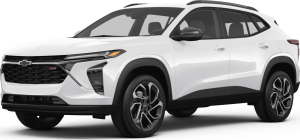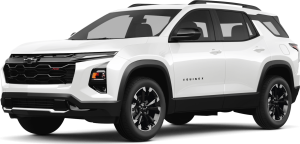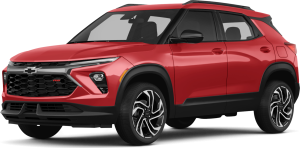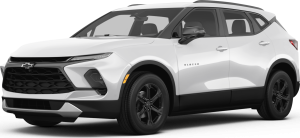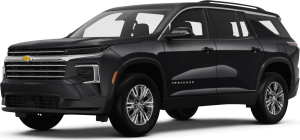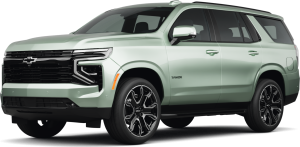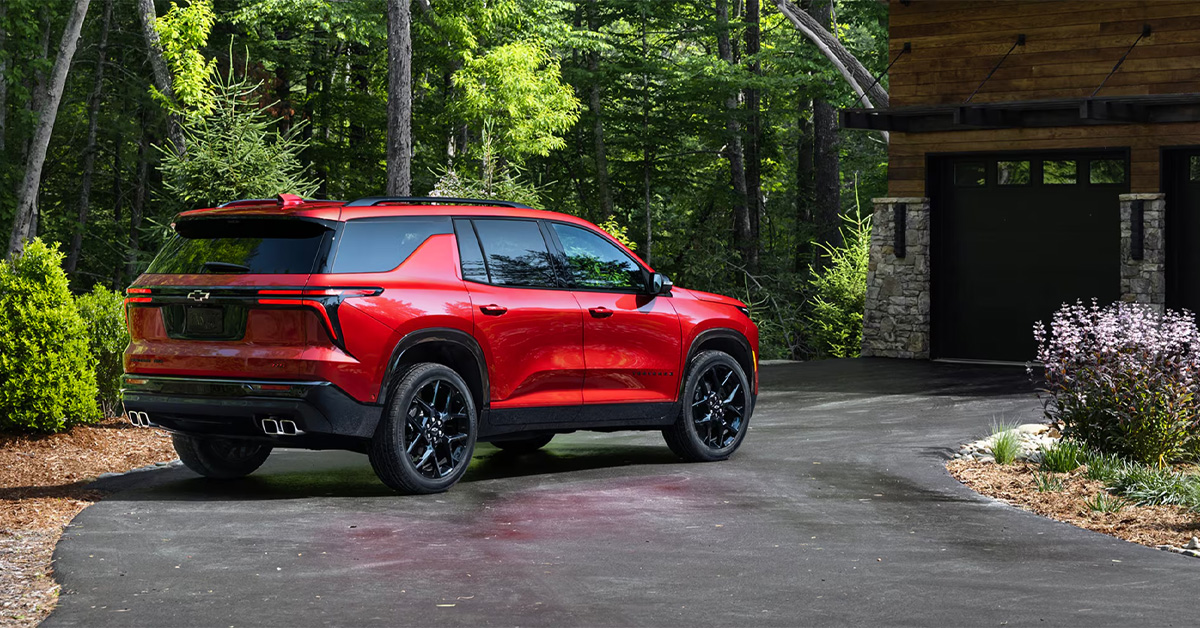
The 2026 Chevy Traverse LT and Honda Pilot Sport are both strong choices in the 3-row SUV segment, but they prioritize different strengths. The Traverse focuses on maximum interior space, advanced technology, and higher torque output for everyday driving confidence, while the Pilot Sport emphasizes smooth V6 power, traditional driving feel, and a more performance-oriented suspension setup. Comparing the two side by side makes it easier to understand which approach better fits modern family driving needs.
At Tom Bell Chevrolet, drivers can explore the Chevrolet Traverse LT in detail and see how it stacks up against other leading SUVs in the segment. Our team is available to help with sales, service, parts, and ongoing vehicle support, ensuring a straightforward experience from start to finish. Contact us today or visit the dealership to compare options and find the SUV that fits your lifestyle.
What Is the Difference Between the Chevy Traverse LT and the Honda Pilot Sport?
At a high level, the Chevy Traverse LT vs Honda Pilot Sport comparison comes down to two different design philosophies. The Chevrolet Traverse leans into maximum space, modern technology, and strong low-end torque for confident everyday driving. The Pilot Sport, on the other hand, focuses on a more traditional SUV feel with a V6 engine and a smoother, more linear power delivery.
Both are capable 3-row SUVs, but they prioritize different driving experiences and family needs.
Core design focus: space vs traditional performance
Each SUV is built with a different idea of what a family vehicle should feel like.
- Chevrolet Traverse
- Emphasizes interior space and usability
- Turbocharged engine tuned for strong low-end torque
- Modern tech-forward cabin design
- Prioritizes cargo flexibility and passenger comfort
- Honda Pilot Sport
- Centers on a naturally aspirated V6 experience
- Designed for smooth, predictable acceleration
- Slightly more traditional SUV driving dynamics
- Focuses on balanced handling and long-term durability feel
For families in areas like Yucaipa or Calimesa, this difference can show up in daily use. The Traverse feels more modern and spacious, especially when loading passengers or gear, while the Pilot leans toward a familiar, steady driving style.
Interior experience and daily usability
Inside the cabin, the contrast becomes even more noticeable when comparing layout and practicality.
- Chevrolet Traverse
- Larger infotainment display and more digital interface focus
- Easier cargo loading behind the third row
- Designed to maximize usable interior volume
- Honda Pilot Sport
- More traditional dashboard layout
- Slightly smaller cargo area behind the third row
- Balanced approach to passenger comfort and storage
A typical weekend scenario, like packing for a trip out of Cherry Valley, highlights the difference clearly. The Traverse allows more flexibility without folding seats, while the Pilot often requires more careful packing or seat adjustments.
Driving feel on everyday roads
Both SUVs handle daily driving well, but their responses differ.
- The Chevrolet Traverse delivers stronger low-end pull, which helps with merging, passing, and uphill driving
- The Honda Pilot Sport provides a smoother, more gradual acceleration curve that feels consistent at highway speeds
Neither approach is incorrect. They simply appeal to different driving preferences.
Quick takeaway
In simple terms:
- Choose the Chevrolet Traverse if space, technology, and torque-driven performance matter most
- Choose the Pilot Sport if you prefer a traditional V6 feel and a more familiar SUV driving experience
See the difference for yourself
Specifications only tell part of the story. The real difference between these SUVs becomes clear when you sit inside and drive them back to back. Visiting Tom Bell Chevrolet gives you the chance to explore the Chevrolet Traverse LT firsthand and see how it compares in real-world comfort, space, and everyday usability.
How Does the Traverse vs Pilot Comparison 2026 Break Down on Paper?
A Traverse vs Pilot comparison 2026 becomes much clearer when the numbers are laid out side by side. Both SUVs are competitive in the 3-row segment, but their specifications highlight different priorities. The Chevrolet Traverse leans toward higher output and stronger torque delivery, while the Pilot Sport focuses on a naturally aspirated V6 setup and a more traditional powertrain layout.
Engine and performance specifications
On paper, the powertrains define the core difference between these two SUVs.
- Chevrolet Traverse
- 2.5L turbocharged 4-cylinder engine
- 328 horsepower
- 326 lb-ft of torque
- 8-speed automatic transmission
- Honda Pilot Sport
- 3.5L naturally aspirated V6 engine
- 285 horsepower
- 262 lb-ft of torque
- 10-speed automatic transmission
The Traverse produces more horsepower and significantly more torque, which translates to stronger low-speed response and easier acceleration when fully loaded.
Seating and cargo differences
Family utility plays a major role in this segment, and the numbers reflect two different priorities.
- Chevrolet Traverse
- Seating for up to 7 or 8 passengers, depending on configuration
- Larger cargo area behind the third row
- Designed for maximum interior flexibility
- Honda Pilot Sport
- Seating for up to 8 passengers
- Slightly smaller cargo space behind the third row
- Focused on balanced passenger and cargo usability
In practical terms, the Chevrolet Traverse offers more usable space when all seats are occupied, which can matter during road trips or school-day errands.
Interior technology and usability
Technology is another key divider in the comparison.
- The Chevrolet Traverse features a larger standard infotainment display that emphasizes visibility and ease of use
- The Pilot Sport uses a smaller screen but pairs it with a more traditional control layout
For daily driving, especially in traffic-heavy areas like Banning or Yucaipa, the Traverse’s larger interface can make navigation and camera use more convenient.
Real-world interpretation of the numbers
While specifications provide clarity, they also translate into different driving impressions:
- The Chevrolet Traverse feels stronger under acceleration due to higher torque output
- The Pilot Sport delivers smoother gear transitions with its 10-speed transmission
- The Traverse prioritizes usable power in everyday conditions
- The Pilot emphasizes refinement and traditional V6 smoothness
What the paper comparison actually tells you
The numbers show a clear split in philosophy:
- The Chevrolet Traverse is built around stronger output, more space, and modern tech integration
- The Honda Pilot Sport focuses on refinement, smooth driving dynamics, and balanced efficiency
Moving beyond specs
Paper comparisons are useful, but they do not fully capture how each SUV feels in real driving conditions. Visiting Tom Bell Chevrolet allows you to explore the Chevrolet Traverse in detail, compare interior space firsthand, and better understand how its specifications translate into everyday usability before making a decision.
Which SUV Offers More Power in Traverse vs Pilot Features?
When looking closely at Traverse vs Pilot features, the biggest performance gap comes down to how each SUV delivers power rather than just the numbers on a spec sheet. The Chevrolet Traverse leans into turbocharged torque for stronger low-end response, while the Pilot Sport focuses on a traditional V6 layout with smoother, more linear acceleration.
For drivers who regularly merge onto busy highways, climb steep grades, or carry a full cabin of passengers and gear, that difference is noticeable in real-world driving.
Engine output and real-world feel
On paper, both SUVs are competitive, but their character behind the wheel is distinct.
- Chevrolet Traverse
- Turbocharged 2.5L engine
- Higher torque output for quicker off-the-line response
- Feels more immediate in city driving and stop-and-go traffic
- Honda Pilot Sport
- Naturally aspirated 3.5L V6
- Smoother power delivery at higher RPMs
- More traditional acceleration feel, especially at highway speeds
A good way to think about it is how they behave, leaving a stoplight on a typical weekday drive. The Traverse tends to feel more eager early in the throttle, while the Pilot builds speed in a steadier, more gradual way.
Towing confidence and everyday capability
Power also matters when the vehicle is loaded down. Whether it is a weekend trailer, a family road trip, or extra passengers heading out toward the mountains, engine response plays a direct role in confidence.
Key differences include:
- The Traverse delivers stronger low-end torque, which helps when pulling away with weight already attached
- The Pilot maintains consistent pull at higher speeds, which some drivers prefer for long freeway stretches
- Both are capable family haulers, but the driving “feel” under load is different in execution
For example, a fully loaded Chevrolet Traverse tends to feel less strained when starting on an incline, especially when merging onto faster traffic lanes.
Transmission behavior and driving smoothness
Beyond engine output, transmission tuning also shapes how each SUV feels day to day.
- The Traverse prioritizes responsive downshifts to keep power available when needed
- The Pilot focuses on smoother, more gradual gear changes for comfort-oriented driving
In practical terms:
- The Traverse feels more reactive when you suddenly ask for power
- The Pilot feels more relaxed and consistent during steady cruising
Quick takeaway on performance character
- Choose the Traverse if you want stronger low-end torque and a more responsive feel in everyday driving
- Choose the Pilot if you prefer smoother acceleration and a traditional V6 driving experience
For drivers comparing these two closely, the differences are easiest to understand from behind the wheel rather than on paper. A test drive is often the deciding factor, especially when evaluating how power delivery matches daily routines.
How Does Interior Space Compare in the 3-Row SUV Traverse vs Pilot?
When evaluating a 3-row SUV, the Traverse vs. the Pilot, interior space becomes one of the most practical deciding factors. Families rarely judge these vehicles on numbers alone, but on how easily they handle real situations like school drop-offs, road trips, or packing sports gear for a full weekend schedule. In that context, the Chevrolet Traverse prioritizes maximum usable space, especially in the third row and cargo area.
The Pilot Sport, on the other hand, focuses more on a balanced cabin layout that still fits passengers comfortably, but with slightly tighter overall room behind the third row.
Third-row usability and passenger comfort
The third row is where differences become noticeable in day-to-day use.
Chevrolet Traverse advantages:
- More usable legroom in the third row for teens and adults
- Easier access thanks to wider door openings and seating design
- Better overall comfort for longer drives with a full cabin
Honda Pilot Sport characteristics:
- Adequate third-row seating for shorter trips
- Slightly more compact space when all seats are occupied
- Works well for families with younger children or occasional third-row use
A simple real-world example: a full carpool to a weekend game. The Traverse tends to feel less cramped when every seat is filled, especially on longer drives across the region.
Cargo space behind the third row
Cargo capacity often determines how “family-ready” an SUV really is.
Key differences include:
- The Traverse offers noticeably more space behind the third row for strollers, backpacks, or groceries
- The Pilot provides enough room for daily use, but requires seat folding sooner for larger items
- Both expand significantly when rows are folded, but the Traverse maintains an advantage in overall flexibility
For busy households, that extra rear space can mean the difference between packing everything in one trip or making adjustments.
Seating flexibility and daily convenience
Beyond raw space, usability plays a major role in ownership satisfaction.
Traverse strengths:
- Easier third-row access for passengers
- Flexible seating configurations for mixed cargo and passengers
- Designed with family loading patterns in mind
Pilot strengths:
- Slightly more compact interior layout for easier maneuvering in tight parking areas
- Balanced seating comfort across all rows
- Straightforward folding mechanisms for quick adjustments
In everyday scenarios like grocery runs or after-school pickup lines, the Traverse tends to reduce the need to rearrange seating as often.
Practical takeaway for families
- Choose the Traverse if maximum passenger room and cargo flexibility are priorities
- Choose the Pilot if you prefer a slightly smaller footprint with balanced interior space
For families comparing both options closely, interior layout often becomes the deciding factor after a short test drive. Seeing how easily child seats, luggage, or sports equipment fit inside the Chevrolet Traverse provides a clearer picture than specifications alone.
A hands-on visit allows you to test seating configurations and cargo space directly, which is often the fastest way to determine which SUV fits your daily routine best.