How Does Traverse Towing Capacity vs Palisade Compare in Real Numbers?
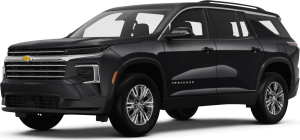
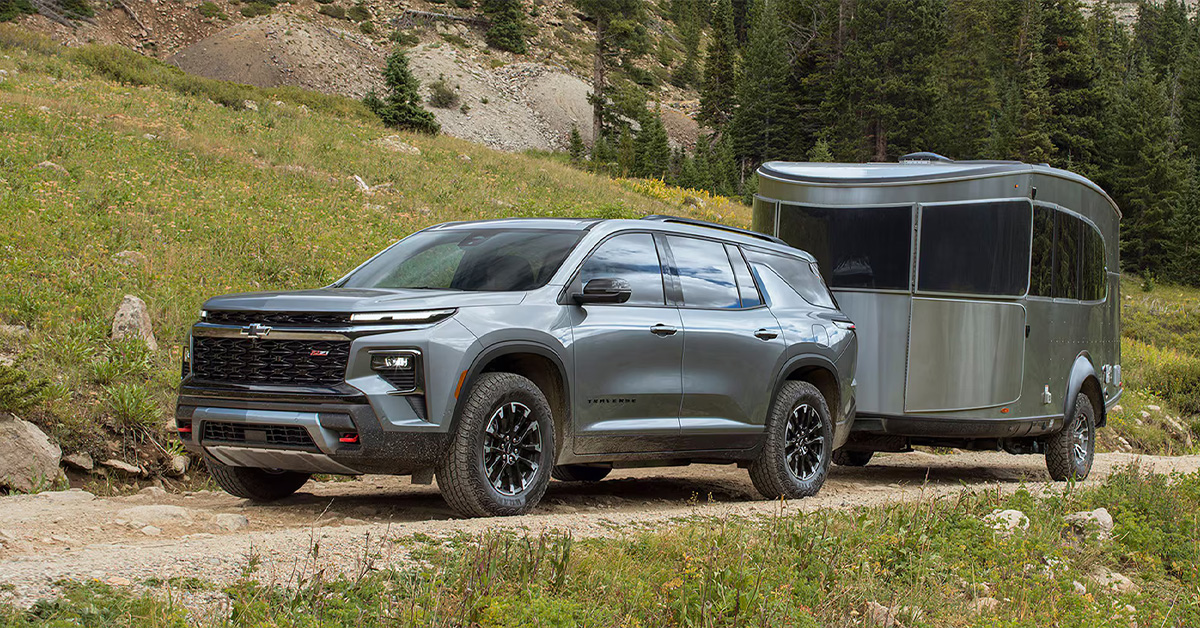
When looking at Traverse towing capacity vs Palisade, the numbers appear closely matched on paper, but the details reveal important differences in how each SUV is configured and used. Both vehicles can reach up to 5,000 pounds when properly equipped, placing them in the same competitive towing bracket. However, base configurations and equipment packages introduce meaningful variation in real-world capability.
Maximum towing capability side by side
Here is how the numbers break down in a straightforward comparison:
- Chevrolet Traverse
- Maximum towing capacity: up to 5,000 lbs (properly equipped)
- Lower torque peak helps maintain a stronger pull under load
- Consistent output across towing conditions
- Hyundai Palisade
- Maximum towing capacity: up to 5,000 lbs (gas model, properly equipped)
- The hybrid version was reduced to 4,000 lbs
- More variation depending on configuration and drivetrain
While the top-end figures are the same in certain setups, the Traverse maintains a more consistent capability range across its configurations.
Base towing differences that matter in daily use
Not all towing starts at maximum capacity. Most drivers operate well below peak limits, which is where base ratings become important.
- Chevrolet Traverse
- Base towing starts lower but scales more evenly with equipment upgrades
- Designed to maintain a strong pull as the load increases
- Palisade
- Slightly higher base towing rating in some configurations
- The hybrid variant reduces the overall maximum capability significantly
This means that, depending on configuration, the gap between the two can shift depending on how the vehicle is built and equipped.
Real-world towing example
Consider a weekend trip pulling a 3,500-pound camper from Cherry Valley toward the mountains. Both SUVs handle the load within their rated limits, but the experience can feel different:
- The Chevrolet Traverse maintains steadier acceleration when climbing grades with a full load
- The Palisade focuses on keeping the vehicle level and smooth during longer stretches
In both cases, the numbers support the task, but the driving feels change how confident the experience is over time.
What the numbers actually tell you
Looking purely at specs:
- Both SUVs share the same maximum towing rating when properly equipped
- The Palisade hybrid reduces max capability to 4,000 lbs
- The Traverse maintains a more consistent performance profile across configurations
Understanding the practical takeaway
For drivers in areas like Yucaipa or Banning, where towing might involve a mix of highway travel and local terrain, the real decision is less about peak numbers and more about consistency under load.
Why Does Torque Matter in Chevy Traverse vs Hyundai Palisade Towing?
In any Traverse vs Palisade comparison 2026, torque is one of the most important factors that determines how confident an SUV feels when towing. Horsepower influences top-end speed, but torque is what gets the vehicle moving, especially when a trailer is attached. This is where the Chevrolet Traverse separates itself in everyday towing situations.
What torque actually changes when towing
Torque is the force that helps a vehicle start moving under load. When towing, that means:
- Getting a trailer moving from a complete stop
- Climbing hills without excessive strain
- Maintaining smooth acceleration when merging onto highways
In practical terms, higher usable torque at lower RPMs reduces how hard the engine has to work in demanding situations.
Traverse torque advantage in real use
The Chevrolet Traverse produces strong low-end torque for its class, which changes how it feels under load.
Key benefits include:
- A more immediate response when pulling away with a trailer
- Less hesitation on steep inclines or boat ramps
- Stronger “pull” feel when accelerating at lower speeds
For drivers heading out of areas like Cherry Valley with a loaded camper, that low-end response makes a noticeable difference when getting up to speed on longer roads.
Hyundai Palisade torque characteristics
The Palisade also delivers competitive torque numbers, especially in certain configurations, but its tuning focuses more on smoothness than urgency.
Typical behavior includes:
- Gradual power delivery under load
- Stable acceleration rather than quick response
- A hybrid version offering higher torque but with reduced towing capacity
This approach works well for steady highway driving, but it can feel less immediate in stop-and-go towing conditions.
Why the difference matters in real towing situations
When comparing real-world towing performance, torque affects how much effort the driver feels behind the wheel.
- Chevrolet Traverse
- Feels more confident when launching with a trailer attached
- Handles elevation changes with less downshifting
- Reduces the sense of strain during acceleration
- Hyundai Palisade
- Prioritizes smoothness over aggressiveness
- Performs best at consistent highway speeds
- Requires a more gradual driving style when loaded
Everyday example of torque in action
Imagine a weekend trip starting in Banning with a boat in tow. The first challenge is getting moving on a slight incline out of a parking area.
- The Traverse responds quickly, requiring less throttle input to get rolling
- The Palisade moves steadily but with a more measured buildup of power
Both complete the task, but the experience behind the wheel feels different.
What drivers should take away from the torque differences
In a towing-focused comparison, torque is less about numbers and more about confidence under load:
- Higher low-end torque improves responsiveness when starting and climbing
- Smoother torque delivery improves ride comfort over long distances
The Chevrolet Traverse leans toward a stronger, more immediate pull, while the Palisade leans toward controlled consistency.
See how torque feels in person
Specifications can only explain so much. The real difference becomes clear when towing or test driving under real conditions. Visiting Tom Bell Chevrolet allows you to experience how the Chevrolet Traverse delivers torque in everyday driving, especially when compared with other SUVs in its class.
How does the Chevy Traverse towing capacity compare to the Hyundai Palisade?
The Chevy Traverse and Hyundai Palisade both have a maximum towing capacity of up to 5,000 pounds when properly equipped, but the Traverse delivers stronger low-end torque for more responsive towing performance.
Which SUV is better for towing a trailer—Traverse or Palisade?
The Chevy Traverse is generally better for towing a trailer due to its stronger low-end torque and more responsive acceleration under load.
What is the maximum tow rating for the Chevy Traverse?
The Chevy Traverse can tow up to 5,000 pounds when properly equipped.
What towing features does the Traverse offer over the Palisade?
The Traverse offers features such as Hitch Guidance with Hitch View, a large infotainment screen for trailer camera visibility, and available Super Cruise for hands-free highway driving while towing.
Which 3-row SUV is better for families who tow?
The Chevy Traverse is better for families who tow due to its stronger torque response, towing-focused technology, and more confident performance under load.
Find the Right SUV for Real-World Towing at Tom Bell Chevrolet
When comparing the Chevrolet Traverse and Hyundai Palisade, the decision ultimately comes down to how you want your towing experience to feel. Both SUVs can reach up to 5,000 pounds when properly equipped, but they deliver that capability in different ways. The Traverse focuses on stronger low-end torque and more responsive pulling power, while the Palisade emphasizes smooth, steady control under load.
For drivers who want to continue researching capability across different segments, it can also be helpful to look at how trucks stack up in similar real-world comparisons. Side-by-side matchups involving models like the Silverado RST against the Toyota Tundra Limited, Ford F-150 STX, and RAM 1500 Laramie highlight how towing, power delivery, and overall utility vary across the full-size lineup.
You can also explore our new inventory to see available Chevrolet Traverse models and other options currently in stock. Financing options are available as well, making it easier to move forward with a vehicle that fits your needs and budget. For more in-depth comparisons and capability breakdowns, continue exploring how today’s top SUVs and trucks perform in real-world conditions. When you are ready, visit Tom Bell Chevrolet or contact our team to take the next step.
Get Directions to Tom Bell Chevrolet
Disclaimer: All information is provided for general informational and entertainment purposes only. While we strive for accuracy, we cannot guarantee that all content is complete, current, or error-free. Any reliance you place on such information is strictly at your own risk. This article may include opinions and is not endorsed by, or officially affiliated with, any vehicle manufacturer or brand. Always consult official sources – such as the vehicle’s owner’s manual, authorized dealerships, or certified professionals – for the most up-to-date and personalized information.