

Southern California drivers face a surprising variety of weather challenges throughout the year. From sudden downpours that flood Interstate 10 to dense fog blanketing the San Bernardino Mountains, and from occasional winter snow in nearby mountain communities to scorching summer heat that tests both vehicles and drivers—Redlands area motorists must be prepared for all conditions. The diverse microclimates of our region demand adaptable driving skills and properly maintained vehicles to ensure safety year-round. What might begin as a clear sunny day in Redlands could quickly transform into challenging conditions as you travel through our varied landscapes.
At Tom Bell Chevrolet, we're committed to keeping our community safe on the road, regardless of what Mother Nature throws our way. Our team of expert technicians and sales professionals has decades of combined experience helping Inland Empire drivers navigate the unique weather challenges of our region. This comprehensive guide provides essential strategies for maintaining control, visibility, and safety in the diverse weather conditions we face throughout Southern California.
Understanding How Weather Impacts Your Vehicle's Performance and Safety Systems
Weather extremes don't just affect road conditions—they fundamentally change how your vehicle performs. Recent studies by the National Highway Traffic Safety Administration show that adverse weather contributes to over 1.2 million vehicle crashes annually, representing nearly 21% of all crashes nationwide. Each weather condition affects different vehicle systems in unique ways, from reduced braking efficiency in rain to battery power loss in extreme temperatures. Modern vehicles contain sophisticated electronic systems that can be affected by moisture, temperature, and other environmental factors in ways many drivers don't anticipate until they're facing a challenging situation.
Driving Safely in Redlands Area Rainstorms
Southern California rain may be infrequent, but when it arrives, it often creates hazardous conditions due to oil buildup on roadways and drainage systems overwhelmed by sudden volume. The first rain after a dry spell is particularly treacherous as months of accumulated oil and debris create extremely slick surfaces before being washed away. Many Redlands area drivers have less experience with wet conditions, making these sporadic rainstorms even more dangerous as driving habits don't adjust quickly enough to the dramatically different road conditions.
Maintaining proper tire tread and pressure becomes especially critical during rainy seasons. Check tire pressure monthly, as proper inflation is critical for wet-road traction and can change significantly with temperature fluctuations. Replace tires when tread depth reaches 4/32" for wet conditions, which is actually well before the legal minimum of 2/32" – this additional tread depth can make a substantial difference in preventing hydroplaning on local roads like Redlands Boulevard or San Bernardino Avenue. Consider all-season tires from our Service Specials department for improved wet-weather performance, as these provide a balanced approach to the varied conditions we experience throughout the year.
When actually driving in rainy conditions, reduce your speed by at least 5-10 mph below posted limits, particularly on winding roads like those near Crafton Hills or through Yucaipa. Increase your following distance to 5-6 seconds rather than the normal 3 seconds in dry conditions, giving yourself crucial additional reaction time if vehicles ahead suddenly brake. Turn on your headlights – not just daytime running lights – to improve both your ability to see and be seen by other drivers, especially in heavy downpours that frequently occur during monsoon season. Apply brakes earlier and more gradually than normal, testing them occasionally on empty stretches to gauge road conditions and response. Remember that even modern antilock braking systems require additional stopping distance on wet roads, regardless of how new or well-maintained your vehicle might be.
For Redlands drivers traveling to the mountains, be aware that rain at lower elevations often means snow at higher altitudes, particularly on routes to Big Bear and Lake Arrowhead. The transition zones between rain and snow can be particularly treacherous, with slush and freezing rain creating extremely unpredictable traction. Our New Inventory includes many Chevrolet models with advanced traction control systems designed specifically for these variable conditions, providing additional safety margins when navigating the rapidly changing road surfaces common to our mountain routes.
Navigating Snow and Ice: Mountain Driving Near Redlands
While Redlands itself rarely sees snow, many residents regularly travel to nearby mountain communities where winter conditions can be challenging. The proximity of snow recreation areas means many local drivers find themselves facing unfamiliar winter conditions without adequate preparation or experience. The winding mountain roads to destinations like Big Bear Lake or Running Springs combine cold weather challenges with elevation changes and tight curves that compound driving difficulty.
Ensuring your vehicle is winter-ready before heading to higher elevations can prevent dangerous situations from developing. Have your battery tested before the winter season begins—cold weather reduces battery capacity by up to 50%, and many batteries that function perfectly in Redlands' warmer conditions can fail suddenly in the mountains' sub-freezing temperatures. Switch to winter-weight oil if heading to mountain areas frequently, as this provides better protection during cold starts and improves immediate engine lubrication. Keep your fuel tank at least half-full to prevent fuel line freezing and to ensure you have adequate reserves if unexpected weather delays your journey. For those who make frequent trips to snow country, consider specialized winter equipment available through Tom Bell Customs, including custom fitted snow chains, specialized lighting packages for low-visibility conditions, and upgraded wiper systems designed for heavy snow removal.
When actually driving in snowy conditions, remember that your normal driving habits must be significantly modified. Accelerate and decelerate slowly to maintain traction, applying gentle pressure to the gas pedal when starting from a stopped position. Drive at substantially reduced speeds and increase following distance to 8-10 seconds, giving yourself ample time to respond to changing conditions or other drivers' actions. Avoid stopping when possible, especially on hills, as starting from a complete stop on an incline can be extremely difficult in slippery conditions. Don't power up hills, which can cause wheels to spin—instead, try to gain some momentum on flat ground before reaching the incline and then maintain a steady speed while climbing. Similarly, don't stop while traveling uphill when conditions are slippery; if you must wait for traffic ahead to move, try to find a flat area to pause rather than attempting to hold position on an icy slope.
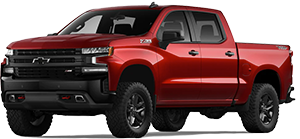
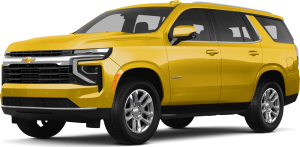
If you're planning frequent trips to snow country, vehicles like the Chevrolet Tahoe and Silverado with 4WD capability provide essential traction. However, even with these capable vehicles, proper winter driving techniques remain crucial. Check our Pre-owned Inventory for affordable winter-capable vehicles if you're not ready for a new purchase but want the additional security and control that comes with all-wheel or four-wheel drive systems when visiting local mountain destinations.
Mastering Fog Driving Techniques in the Inland Empire
The Inland Empire experiences dense fog events, particularly in winter months near the foothills and valley areas. Fog reduces visibility dramatically and creates deceptive depth perception, making familiar roads suddenly unfamiliar and disorienting. The pockets of dense fog common to our region can appear suddenly, particularly in the early morning hours around Redlands and San Bernardino or in the evening as temperatures drop. This localized phenomenon means you might drive from clear conditions into severely limited visibility within just a few seconds, requiring immediate adjustment to your driving approach.
Optimizing your vehicle's visibility systems becomes crucial when facing these challenging conditions. Use low beam headlights in fog—never high beams, which reflect back against the water droplets in the air and actually reduce visibility further. Apply windshield treatment products that repel moisture, improving clarity during fog events. These treatments, which create a hydrophobic surface that causes water to bead and roll off the glass, can significantly improve visibility in all wet conditions. Ensure windshield wipers are in excellent condition, replacing them at least annually or whenever they begin to streak or skip across the glass. Some drivers find yellow-tinted driving glasses helpful for reducing glare and improving contrast in foggy conditions, though this is a personal preference that works better for some individuals than others.
When fog descends, implement specific driving strategies that compensate for the reduced visibility. Reduce speed significantly based on visibility distance—if you can only see 100 feet ahead, you're overdriving your visibility if traveling faster than 30 mph. Use the right edge of the road or the fog line as a guide rather than center lines, as this provides a more consistent reference point and helps prevent drifting into oncoming traffic. With windows slightly open, listen for traffic you cannot see, using your hearing as a supplementary sense when visibility is compromised. If your vehicle is equipped with fog lights, use them appropriately—mounted low and directed at the road surface, they provide better illumination under the fog layer—but remember to turn them off when visibility improves to avoid blinding other drivers.
Many newer Chevrolet models feature advanced driver assistance systems that can provide additional safety in fog conditions, including lane departure warnings that vibrate the steering wheel if you begin to drift from your lane, and forward collision alerts that can detect vehicles ahead even when visibility is limited. Our financing team can help you explore upgrade options through our Soft Pull Application Finance Application process, allowing you to enhance your vehicle's safety features with minimal impact to your credit score during the qualification process.
Surviving Extreme Heat: Summer Driving in Redlands
With summer temperatures regularly exceeding 100°F in Redlands, extreme heat places unique stresses on both vehicles and drivers. According to the California Highway Patrol, vehicle breakdowns increase by approximately 33% during extreme heat events, with cooling system failures, tire blowouts, and battery failures being the most common issues. The intensity of Inland Empire summer heat can catch even well-maintained vehicles by surprise, particularly during extended heat waves that allow cumulative damage to develop in rubber components, fluids, and electrical systems.
Protecting your vehicle from heat damage requires proactive maintenance and awareness. Check cooling system fluid levels and condition before summer arrives, ensuring the radiator, heater core, hoses, and water pump are functioning optimally. The coolant in your vehicle doesn't just prevent freezing in winter—it also raises the boiling point of the cooling system to prevent overheating in summer, making it equally important during hot weather. Inspect drive belts and hoses for cracks or weakness that heat will exacerbate, as rubber components deteriorate more quickly at high temperatures. Monitor tire pressure regularly during heat waves, as heat causes pressure to increase substantially—on average, tire pressure changes about 1 PSI for every 10°F change in temperature. Park in shaded areas when possible to protect interior components from UV damage and reduce the greenhouse effect that can push cabin temperatures to dangerous levels. Consider window tinting that meets California legal requirements, which can reduce interior heat buildup by up to 60% while protecting upholstery and dash components from premature aging.
Beyond vehicle considerations, keeping yourself safe in extreme heat requires conscious planning. Never leave children or pets in vehicles, even briefly—interior temperatures can reach 125°F in minutes, creating life-threatening conditions far faster than many people realize. Carry additional water for both passengers and potential radiator needs, as dehydration affects driver alertness and decision-making abilities. Plan trips during cooler morning or evening hours when possible, particularly if your vehicle's air conditioning system is marginal or if you'll be traveling with elderly passengers or young children who are more susceptible to heat-related illness. Be aware of heat-related illness symptoms while driving, including confusion, dizziness, nausea, headache, or extreme fatigue—if you experience these, pull over in a safe location, hydrate, and cool down before continuing. Use sun shields when parking to reduce interior temperature upon return, which not only improves comfort but also reduces the strain on your air conditioning system during the initial cooling period.
For reliable summer performance, our Schedule a Service team offers comprehensive summer preparedness packages that can identify and address potential heat-related issues before they cause breakdowns. These multi-point inspections include cooling system pressure tests, battery load testing, tire condition assessments, and climate control system evaluations—all critical systems that face increased stress during Redlands' extreme summer conditions.
Preparing Your Vehicle for All-Weather Performance
The key to safe driving in any weather condition is preparation. While Southern California's climate may seem mild compared to other regions, the diversity of conditions we encounter—often within a single day's drive—makes comprehensive vehicle maintenance even more important for local drivers. These universal maintenance practices will help ensure your vehicle is ready for whatever weather comes your way throughout the year.
Essential maintenance for all-weather readiness extends beyond the obvious seasonal concerns. Replace wiper blades every 6-12 months, even if they appear unworked in our dry climate—heat and sun exposure degrade the rubber compounds even when they're not being used. Keep all fluids topped off and changed according to schedule, including less obvious ones like brake fluid and power steering fluid that can affect vehicle control in adverse conditions. Test battery capacity before extreme weather seasons, particularly before summer heat that accelerates battery deterioration and winter cold that reduces starting power. Maintain proper tire rotation, balance, and alignment schedules to ensure even wear and consistent traction in all conditions. Check brake system performance regularly, as this is your primary safety system regardless of weather conditions. Ensure all lights are functioning properly, including fog lights, brake lights, and turn signals that become even more critical during adverse weather.
Creating a comprehensive emergency kit can mean the difference between inconvenience and danger when weather conditions turn challenging. Include a flashlight with extra batteries that can provide visibility during nighttime emergencies or when inspecting your vehicle in poor conditions. Stock basic first-aid supplies for minor injuries that might occur during emergency stops or when changing tires in adverse weather. Keep basic tools appropriate for your vehicle, including those needed for changing tires or accessing maintenance points. Jumper cables or a portable jump starter provide independence when facing battery issues far from assistance. Water and non-perishable snacks become essential during extended delays caused by weather-related traffic or road closures. Blankets or extra clothing can provide crucial warmth during unexpected temperature drops or extended waits for assistance. A phone charger or power bank ensures you maintain communication capability throughout weather emergencies, allowing you to call for help or receive updated weather and road condition information.
If you're considering a vehicle upgrade to handle adverse weather conditions more effectively, our Value Your Trade-In tool can help you understand what your current vehicle is worth toward a more weather-capable model. The equity in your current vehicle might surprise you, potentially making the transition to a safer, more capable vehicle more affordable than expected.
Ready to Test Your Weather Driving Knowledge?
How would you handle this scenario? You're driving on the 210 freeway when you suddenly encounter a patch of dense fog. Traffic ahead disappears from view, and you notice vehicles slowing rapidly. What three immediate actions should you take to maximize safety for yourself and others on the road? This type of situation occurs frequently in our region, particularly during winter months when temperature inversions trap moisture near the ground in low-lying areas along our local highways.
Share your answer with us next time you visit our dealership, and one of our weather driving experts can provide feedback on your response! These practical thought exercises help reinforce proper emergency reactions before you need them in real-world conditions.
Finding the Perfect All-Weather Vehicle at Tom Bell Chevrolet
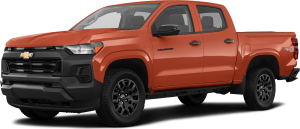
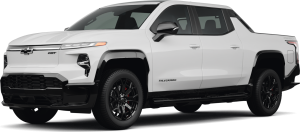
Different weather challenges call for different vehicle capabilities. When selecting a vehicle that can handle diverse Redlands area conditions, consider these options based on your typical driving patterns and destinations. For mountain trips and occasional snow, the Chevrolet Silverado or Colorado with 4WD provides the ground clearance, traction, and stability needed for confident winter driving. The selectable four-wheel drive systems in these trucks allow you to optimize power distribution based on current conditions, while their robust construction handles the added stresses of mountain driving with ease.
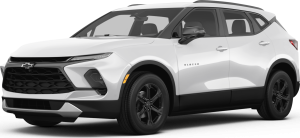
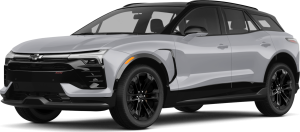
For primarily urban driving in varied conditions, the Equinox or Blazer with available AWD offers an excellent balance of everyday practicality and all-weather capability. These systems continuously monitor traction and can instantly redistribute power when wheel slip is detected, providing added security during sudden rainstorms or when navigating slick intersection surfaces. Their car-like handling combined with crossover versatility makes them ideal for Redlands drivers who occasionally venture into more challenging conditions.
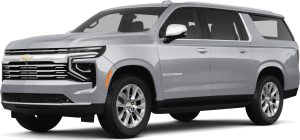
Families seeking maximum safety in all weather scenarios should explore the Tahoe or Suburban with comprehensive safety packages. These full-size SUVs combine advanced stability control systems with available four-wheel drive and extensive driver assistance technologies that help maintain control in adverse conditions. Their substantial size and construction provide added protection in poor visibility situations, while their elevated driving position improves the driver's ability to see developing traffic situations in heavy rain or fog.
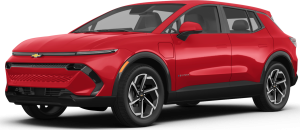
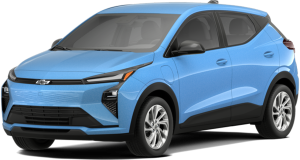
For eco-conscious drivers who still want all-weather capability, explore our EV's Inventory for electric vehicles with advanced traction control systems. Modern EVs like the Chevrolet Bolt EUV feature sophisticated electronic stability systems that can actually outperform many conventional vehicles in slippery conditions, using the instant torque control of electric motors to maintain optimal traction in challenging situations.
If budget is a primary concern, we maintain an excellent selection of Vehicles Under 30k that still offer essential safety features for adverse weather conditions. These affordable options prove that safety doesn't have to come with a premium price tag, allowing every driver access to the security features needed for our region's diverse weather challenges.
Check our current Special Offers for seasonal promotions on vehicles with enhanced safety packages specifically designed for challenging driving conditions. These limited-time offers can make upgrading to a more weather-capable vehicle unexpectedly affordable, providing peace of mind before the next seasonal weather challenge arrives.
Frequently Asked Questions About Weather-Related Driving
Q: How do I know if my tires are safe for rainy conditions?
A: Insert a quarter into your tire tread with Washington's head upside down. If you can see the top of Washington's head, your tires need replacement for wet conditions. This simple test measures tread depth at approximately 4/32", which is the recommended minimum for safe wet-weather driving. The standard penny test only measures the legal minimum of 2/32", which is inadequate for hydroplaning resistance.
Q: Do I need chains when driving to Big Bear in winter?
A: California law requires carrying chains during winter months in many mountain areas, even with 4WD/AWD vehicles. Check Caltrans requirements before traveling, as requirements vary by location and current conditions. Even if you have a four-wheel drive vehicle with snow-rated tires, carrying chains may still be legally required. Practice installing your chains in good conditions before you need them in a snowstorm.
Q: How can I prevent my car from overheating in Redlands summers?
A: Regular cooling system maintenance is essential. Have your cooling system flushed according to your owner's manual schedule and watch for signs of coolant leaks. Additionally, monitor your temperature gauge during extended idling in hot conditions, and use your air conditioning judiciously during extreme heat—the maximum setting places additional load on your cooling system when it's already stressed.
Q: What should I do if I start to hydroplane?
A: Don't brake or turn suddenly. Take your foot off the accelerator and steer straight until you regain traction, then gently brake if needed. Hydroplaning occurs when your tires lose contact with the road surface due to water buildup. Any sudden inputs while the tires aren't in contact with the road can worsen the situation once they regain contact. Maintaining calm, straight progress until traction returns is the safest approach.
Q: How effective are driver assistance systems in bad weather?
A: Systems like stability control and automatic emergency braking help significantly but have limitations. Never rely solely on technology—always adjust your driving to conditions. Many camera-based systems have reduced effectiveness in heavy rain, fog, or snow, and radar systems can sometimes be affected by dense precipitation. These technologies should be viewed as supplemental safety nets rather than replacements for attentive, weather-appropriate driving techniques.
Weather challenges in Southern California may be diverse, but with proper preparation and the right vehicle, you can navigate them safely and confidently. Visit Tom Bell Chevrolet in Redlands today to ensure your vehicle is ready for whatever weather lies ahead on your journey.